
Dubai Driving Rules for Visitors: What to Know
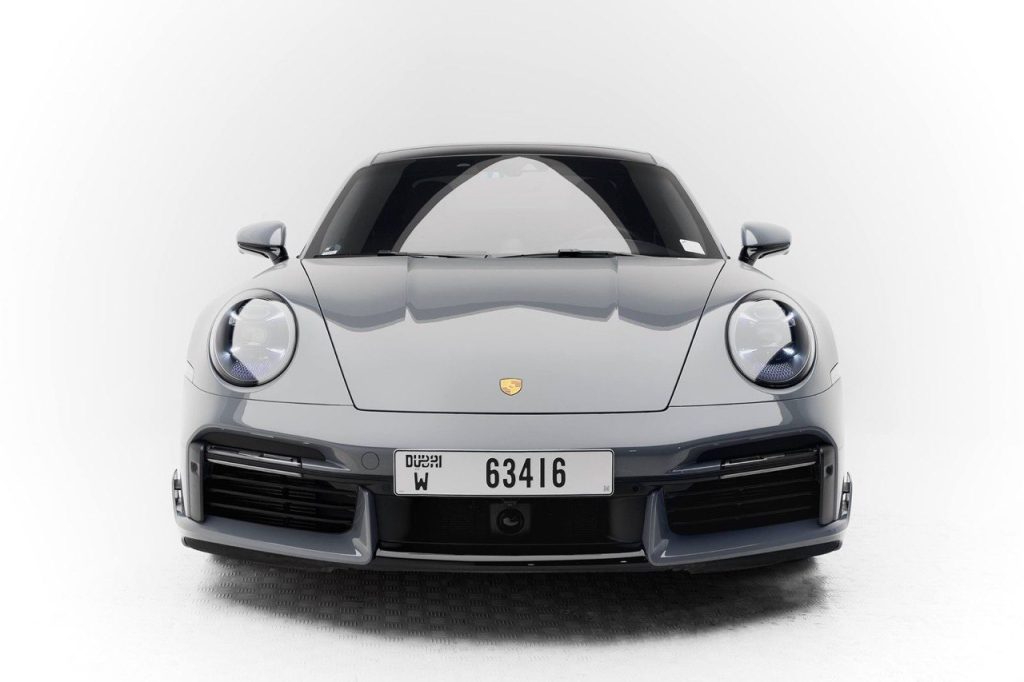
Driving in Dubai can be one of the best parts of your trip. You might drive Sheikh Zayed Road at night, take the coast road to Jumeirah or head out towards Hatta for the weekend. The roads move fast, though, enforcement is strict, and some Dubai driving rules for visitors work differently from what you’re used to at home. Below we go through licences, speed cameras, tolls, parking, road etiquette and what to do if something goes wrong, so you can concentrate on the drive.
Traffic laws, licence requirements and fines in the UAE are updated from time to time. Before you drive, check the current rules with the Roads and Transport Authority (RTA) or ask your rental company.
Can visitors drive in Dubai? Licence requirements
Yes, most tourists can drive in Dubai. What you need depends on where your licence was issued.
- Visitors from certain countries can usually drive a rental car on their valid home licence. The approved list includes many European countries, the GCC states, the USA, Canada, the UK, Australia and several others.
- Visitors from other countries usually need an International Driving Permit (IDP) along with their original home licence, and the IDP normally has to be issued in the home country before you travel.
- UAE residents must drive on a UAE licence. Once you take up residency, a foreign licence or IDP is generally no longer enough.
The rental company will also ask for your passport and your visit visa or entry stamp. Each company has its own conditions on top of that, such as a minimum age and how long you must have held your licence, so confirm them when you book and avoid surprises at handover. Our rental terms and conditions have the details for renting with us.

The basics: how traffic flows in Dubai
If you’re coming from the UK, Australia, India or Japan, the biggest adjustment is that the UAE drives on the right-hand side of the road. The steering wheel is on the left and you overtake on the left. Give yourself a few quiet minutes in the car before you join a busy highway.
Lane discipline
Dubai’s highways often have four, five or more lanes. The far-left lane is for faster traffic and overtaking, so don’t sit in it at a slow pace. Undertaking on the right happens a lot, but it’s risky and can be penalised. Signal every time you change lanes, because sudden lane changes without indicating are one of the main things police watch for.
Exits and junctions
On major roads like Sheikh Zayed Road and Al Khail Road the exits come up quickly, and some of them leave from the left. If you miss yours, carry on to the next one rather than braking hard or cutting across lanes. Navigation apps work well in Dubai, so set your route before you set off.
Roundabouts
Traffic already on the roundabout generally has priority. Pick your lane before you enter, outer lanes for early exits and inner lanes for later ones, and signal as you leave.
Speed limits and cameras
Speed limits in Dubai vary a lot from road to road. Residential streets are much slower than the major highways, and the limit can change several times on one journey. What counts is the posted sign, so keep an eye out for it.
- Fixed and mobile radars are everywhere, including in tunnels and on smaller roads.
- Don’t count on a “grace margin.” Some roads have historically had a buffer above the posted limit, but it has been removed on several of them. Staying at or below the sign is the safe approach.
- Some major highways have minimum speeds, so driving far too slowly in a fast lane can also be an offence.
- Overhead signs may show variable limits during fog, sandstorms or heavy rain.
Fines are issued against the car’s registration, and with a rental they are usually passed on to you with an administration charge. Remember that in a high-performance car. The Chevrolet Corvette Z06 and the Lamborghini Urus are great fun to drive, and in Dubai you enjoy them within the limit.

Salik tolls explained
Salik is Dubai’s electronic toll system. There are no booths and no cash: a tag on the windscreen is read automatically every time you pass under a toll gate. Several gates are on Sheikh Zayed Road and other main routes, so you’ll probably pass a few every day.
On a rental car, the company records your Salik crossings and adds them to your final bill, often with a small handling fee. Toll rates and rules can change, so ask your rental team how they charge Salik before you set off.
Noor Altareeq Rent A Car
Got your dates? We can have the car at your door today.
Free delivery and collection anywhere in Dubai at any hour, comprehensive insurance and 250 km per day included. Message us your dates and we confirm the price in minutes.
Parking rules in Dubai
Most public parking in central areas is paid during set hours, in zones marked by signs. You can usually pay at the meter, in the RTA app or by SMS from a local number. Rates, hours and free days differ between zones and can change.
- Never park on yellow-and-black kerbs, in front of fire hydrants, or in spaces reserved for people of determination unless you have a permit.
- Don’t block other cars, and don’t park on pavements or sand verges where it isn’t allowed.
- Malls and hotels usually have their own parking, and some have valet.
- Parking fines on a rental car will be passed on to you.
Zero-tolerance rules you must not break
The UAE treats some offences very seriously. They can bring heavy penalties, impoundment of the car or legal consequences that go well beyond a fine.
- Alcohol and drugs: the UAE has zero tolerance for driving after drinking any alcohol. If you plan to drink, take a taxi or book a chauffeur.
- Holding or using a mobile phone while driving is prohibited. Use a mount and hands-free, and set the navigation before you move.
- Seatbelts are required for every occupant, front and back.
- Young children must sit in a suitable child seat, and there are restrictions on children in the front. Ask for child seats when you book.
- Jumping a red light is one of the most serious traffic offences in Dubai.
- Tailgating is actively monitored and penalised, so keep a safe gap, especially at highway speeds.
- Rude gestures, offensive language or aggressive flashing of headlights can get you into serious trouble. Stay calm, even if the other driver doesn’t.
- Move aside safely for ambulances, police and civil defence vehicles.
Quick reference: common situations
| Situation | What to do |
|---|---|
| You missed your exit | Carry on to the next exit and let the navigation reroute you. Never reverse or cut across lanes. |
| A faster car comes up behind you in your lane | Move right when it’s safe and let it pass. |
| Fog or a sandstorm | Slow down, switch on dipped headlights, leave a bigger gap and don’t use hazard lights while moving unless you’re told to. |
| Minor accident, no injuries | Move somewhere safe if you can, photograph the scene and report it through the Dubai Police app or by calling the police. Then tell your rental company. |
| Accident with injuries | Call emergency services immediately, stay at the scene and contact your rental company. |
| Pedestrian at a crossing | Stop and give way. Failing to yield to pedestrians is penalised. |
What to do after an accident in a rental car
In the UAE you generally need a police report before any damage to a vehicle can be repaired or an insurance claim processed, and that applies to small scrapes too. Never drive off after a collision and never agree to “sort it out” privately. Report it, get the official report and call your rental company straight away. They will take you through the next steps and explain how your insurance cover applies.
Practical tips for driving in Dubai as a visitor
- Stay off routes like Sheikh Zayed Road and the roads towards Sharjah at peak hours when you can.
- Keep your documents in the car: licence, IDP if you need one, a passport copy and the rental agreement.
- In summer, use sunshades and check the air conditioning, because the cabin heats up quickly.
- Don’t go off-road unprepared. Desert driving takes experience, the right vehicle and usually a guide, so check your rental terms first.
- If you leave Dubai, the rules are similar across the UAE, but parking systems and tolls differ between emirates.
How Noor Altareeq Rent A Car can help
At Noor Altareeq Rent A Car we help visitors get on the road with confidence. We own our fleet, so the car you book is maintained and ready. Our team will go through the documents you need, how Salik is charged and what to do if anything happens during your rental.
- Free delivery anywhere in Dubai, plus airport delivery and pickup. Delivery to Abu Dhabi is available for a fee.
- Daily, weekly and monthly rentals across supercars, luxury SUVs, 7-seater family SUVs, convertibles and everyday cars.
- A chauffeur service if you’d rather not drive yourself, which works well for evenings out or business days.
- Decorated wedding cars for special occasions.
Our most requested cars include the Lamborghini Urus, the Land Rover Defender 110, the Chevrolet Corvette Z06 and the Range Rover Vogue. If you’re new to Dubai roads and want a comfortable car with a high view of the traffic, an SUV like the Range Rover Sport is an easy choice.
Our office is on Sheikh Zayed Road, between the Sheraton Grand Hotel and The H Dubai, near DIFC and World Trade Centre. For current rates and availability, message us on WhatsApp at +971 54 448 2521 or use our contact page. We’re happy to answer questions before you book.
FAQ: Dubai driving rules for visitors
Can I drive in Dubai with my home country licence?
Visitors from many countries can drive a rental car on a valid home licence. Others need an International Driving Permit alongside the original licence. Check the current list with the RTA or your rental company before you travel.
Which side of the road do you drive on in Dubai?
The right. Cars in the UAE have the steering wheel on the left, and you overtake on the left.
How do Salik tolls work with a rental car?
Rental cars have a Salik tag that registers every toll gate you pass. The rental company adds these charges to your bill, sometimes with a handling fee. Ask your rental team how they charge Salik.
Is there any alcohol limit for drivers in Dubai?
No. The UAE has zero tolerance for drink driving, so don’t drive after any alcohol at all. Take a taxi or use a chauffeur instead.
What should I do if I have an accident in a rental car?
Stay at the scene, report the accident to the police (minor incidents can often be reported in the Dubai Police app) and contact your rental company. You generally need a police report for any repair or insurance claim.